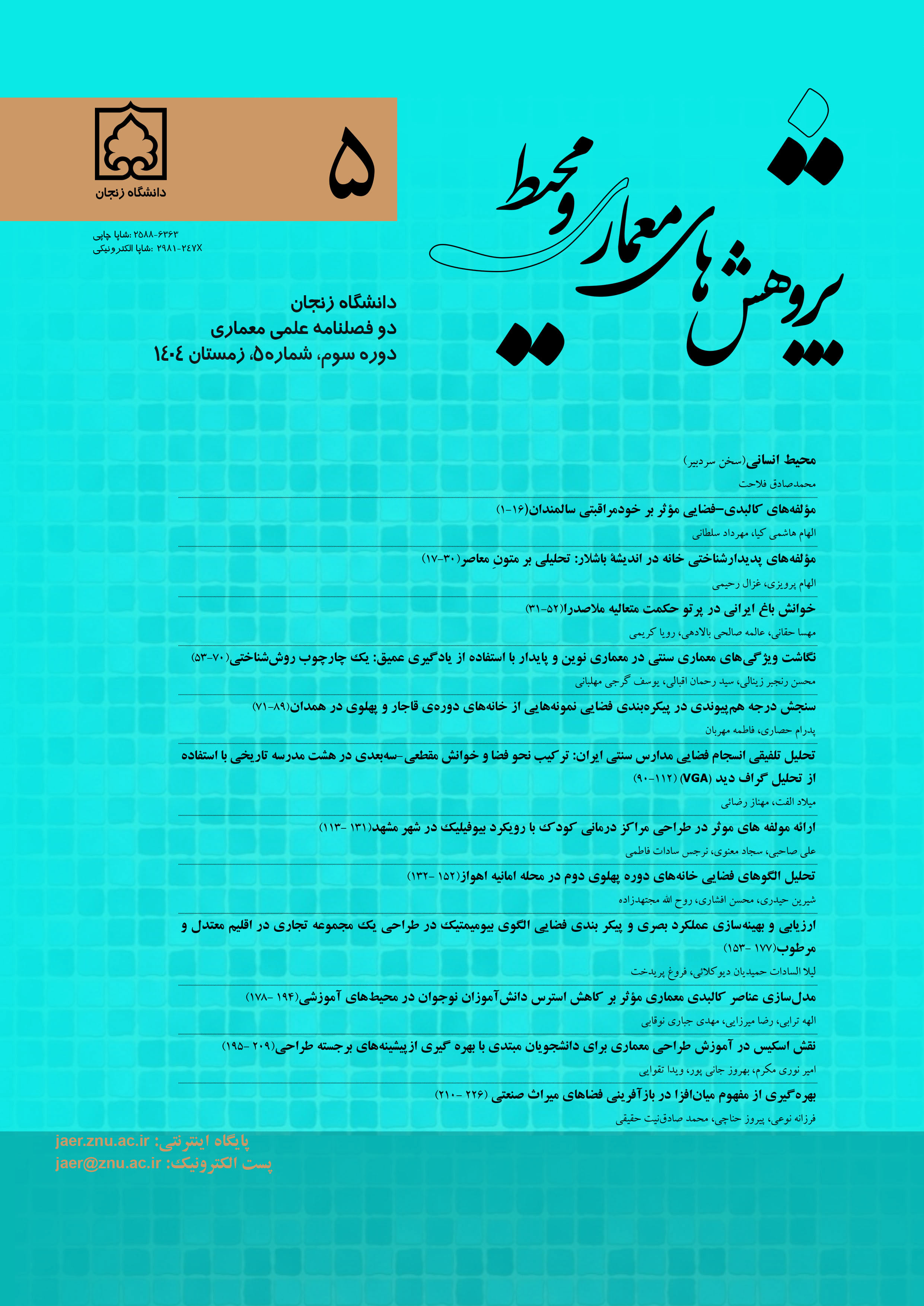
پژوهش‌های معماری و محیط

پژوهش‌های معماری و محیط

بهره‌گیری از مفهوم میان‌افزا در بازآفرینی فضاهای میراث صنعتی

نوع مقاله : مقاله پژوهشی

نویسندگان
1 دانشجوی دکتری تخصصی معماری، دانشگاه تهران، تهران، ایران.
2 استاد، دانشکده معماری، دانشگاه تهران، تهران، ایران.
3 کارشناس ارشد معماری، دانشگاه شهید بهشتی، تهران، ایران.
چکیده
بازآفرینی فضاهای میراث صنعتی در دهه‌های اخیر، به‌دلیل تغییر ساختارهای تولید و افول کارکردهای اولیه، به یکی از چالش‌های اصلی در حوزه‌های حفاظت و طراحی معماری تبدیل شده است. در این میان، رویکرد بازاستفاده تطبیقی به‌عنوان راهبردی متداول برای تداوم حیات این بناها مطرح است، اما تجربه‌های اجرایی نشان می‌دهد که تغییر کاربری و مرمت کالبدی به‌تنهایی نمی‌تواند حضورپذیری و تعاملات اجتماعی را در این فضاها تضمین کند. پژوهش حاضر با هدف بررسی نقش مداخله‌ی میان‌افزا در ارتقای کیفیت فضایی پروژه‌های بازاستفاده‌ی تطبیقی میراث صنعتی انجام شده است و در پی پاسخ به این پرسش است که مداخله‌ی میان‌افزا از طریق چه سازوکارهای کالبدی و فضایی می‌تواند میان ساختار تاریخی و نیازهای معاصر ارتباطی پویا برقرار سازد. این پژوهش با رویکردی کیفی-تحلیلی و با استفاده از مطالعات کتابخانه‌ای، ابتدا مؤلفه‌های نظری مرتبط با کیفیت فضایی و سرزندگی را استخراج کرده و سپس با روش تحلیل تطبیقی، شش نمونه‌ی شاخص (چهار پروژه‌ی بین‌المللی و دو پروژه‌ی داخلی) را بر اساس پنج مؤلفه‌ی سازمان فضایی، کیفیت حرکت، رابطه‌ی قدیم و جدید، فضاهای میانی و سرزندگی فضایی، مورد بررسی قرار داده است. یافته‌ها نشان می‌دهد که مداخله‌ی میان‌افزا از طریق پنج سازوکار اصلی شامل حفظ و برجسته‌سازی ساختار تاریخی، بازسازماندهی روابط حرکتی، ایجاد فضاهای واسط، تنوع‌بخشی فضایی-زمانی و تقویت نفوذپذیری و تعاملات اجتماعی، به بازآفرینی کیفیت فضایی می‌انجامد. همچنین، مقایسه‌ی نمونه‌ها حاکی از آن است که در پروژه‌های بین‌المللی تأکید بیشتری بر تجربه‌ی ادراکی و خلق عناصر شاخص حجمی وجود دارد، در حالی که در نمونه‌های داخلی به‌دلیل محدودیت‌های سرمایه‌گذاری و تفاوت در نوع کاربری، راهبردهای مبتنی بر بازسازماندهی حرکت و تقویت فضاهای باز جمعی، کارآمدتر به‌نظر می‌رسد. در نهایت، پژوهش با ارائه‌ی چارچوبی تحلیلی که پیوند میان سه لایه‌ی ساختار تاریخی، راهبردهای میان‌افزا و کیفیت فضایی را تبیین می‌کند، بر ضرورت برقراری تعادل پویا میان حفظ خوانایی تاریخی و پاسخ‌گویی به نیازهای فضایی معاصر تأکید دارد و پیشنهاد می‌کند که در پروژه‌های داخلی، توجه به شبکه‌ی حرکتی، فضاهای نیمه‌باز و حیاط‌ها، به‌عنوان زیرساخت‌های سرزندگی، در اولویت قرار گیرد.
کلیدواژه‌ها

عنوان مقاله English

Utilizing the Concept of Infill Intervention in the Regeneration of Industrial Heritage Spaces

نویسندگان English

Farzaneh Noee 1
Pirouz Hanachi 2
Mohammad Sadeqniat Haghighi 3
1 Ph.D. Student in Architecture, University of Tehran, Tehran, Iran.
2 Professor, Faculty of Architecture, University of Tehran, Tehran, Iran.
3 M.A. in Architecture, Shahid Beheshti University, Tehran, Iran.
چکیده English

In recent decades, the regeneration of industrial heritage spaces has become one of the main challenges in the fields of conservation and architectural design, due to shifts in production structures and the decline of original functions. In this context, adaptive reuse has emerged as a common strategy for sustaining these buildings; however, practical experiences indicate that change of use and physical restoration alone cannot guarantee users’ presence and social interactions in these spaces. The present study aims to investigate the role of infill intervention in enhancing the spatial quality of adaptive reuse projects of industrial heritage, and seeks to answer the question of through which physical and spatial mechanisms infill intervention can establish a dynamic relationship between the historical structure and contemporary spatial needs. Adopting a qualitative-analytical approach and employing library research, this study first extracts theoretical components related to spatial quality and vitality, and then, through comparative analysis, examines six notable case studies (four international and two domestic projects) based on five components: spatial organization, quality of movement, relationship between old and new, intermediate spaces, and spatial vitality. The findings indicate that infill intervention contributes to the regeneration of spatial quality through five main mechanisms: preserving and highlighting the historical structure, reorganizing movement relationships, creating transitional spaces, diversifying spatial-temporal experiences, and enhancing permeability and social interactions. Furthermore, the comparison of cases reveals that international projects place greater emphasis on perceptual experience and the creation of distinctive volumetric elements, whereas in domestic projects—due to investment constraints and differences in the nature of use—strategies based on reorganizing movement and strengthening open collective spaces appear to be more effective. Ultimately, by presenting an analytical framework that explains the connection among the three layers of historical structure, infill strategies, and spatial quality, the study emphasizes the necessity of establishing a dynamic balance between preserving historical legibility and responding to contemporary spatial needs, and recommends that in domestic projects, priority be given to movement networks, semi-open spaces, and courtyards as vital infrastructures for spatial vitality.

کلیدواژه‌ها English

Adaptive Reuse
Industrial Heritage
Infill Intervention
Spatial Quality
Spatial Vitality
دوره 3، شماره 5 - شماره پیاپی 5
پاییز و زمستان 1404
اسفند 1404

  • تاریخ دریافت 08 خرداد 1405
  • تاریخ بازنگری 11 شهریور 1405
  • تاریخ پذیرش 15 شهریور 1405
  • تاریخ انتشار 01 اسفند 1404